Place · Cathedral
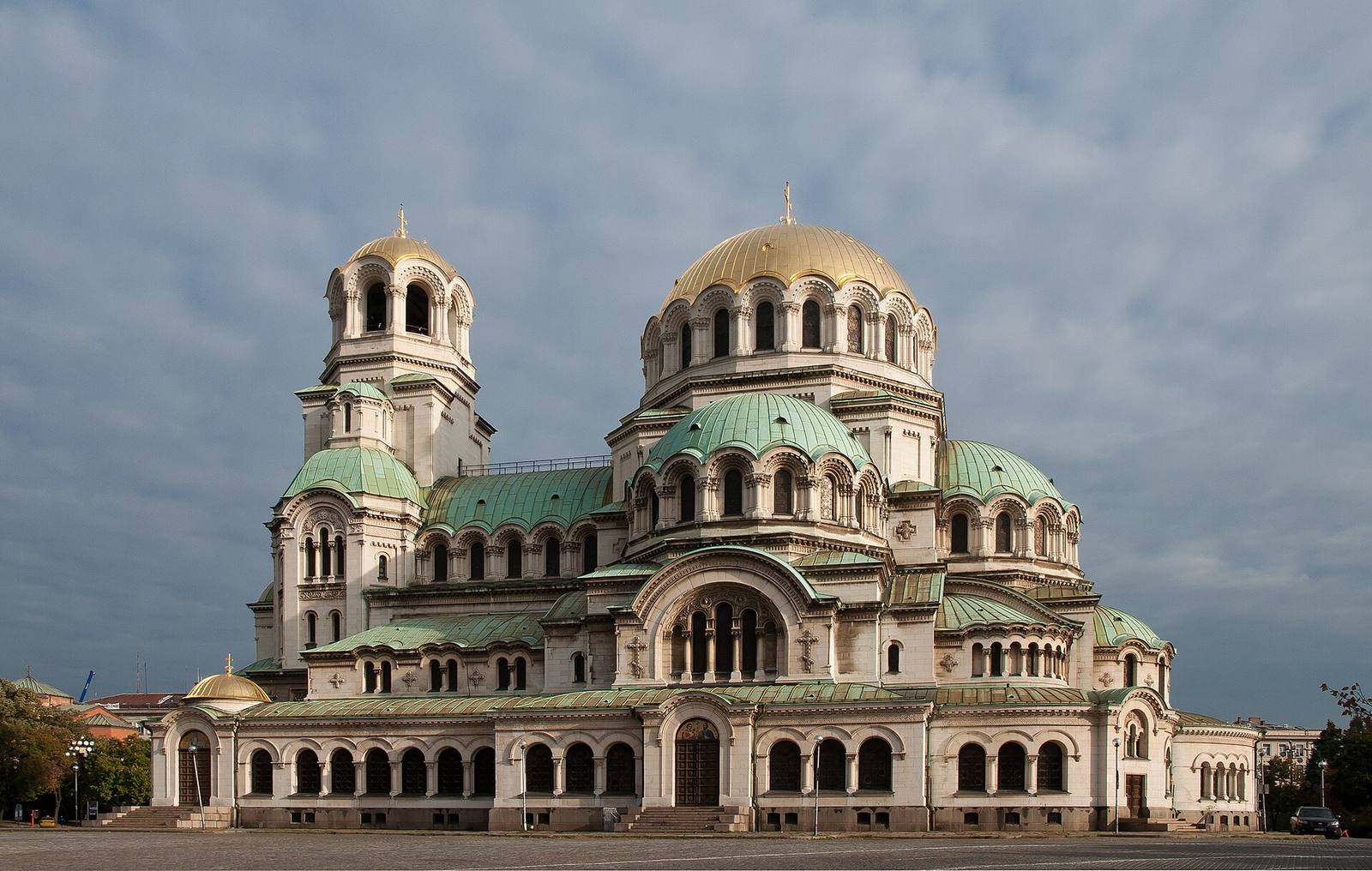
St Alexander Nevsky Cathedral, Sofia
Neo-Byzantine cathedral of the Patriarch of Bulgaria, built in memory of the soldiers who died in the Russo-Turkish War of 1877–78.
- Location
- Sofia, Bulgaria
- Building
- Cathedral (cathedral church of the Patriarch of Bulgaria)
- Tradition
- Bulgarian Orthodox
- Religious use
- In use as the cathedral church of the Patriarch of Bulgaria.
Map Building location: Apple Maps · Google Maps — the building, not a confirmed visitor entrance.
Overview
One of the largest Eastern Orthodox church buildings, it was built as a memorial to the Russian soldiers who died in the war that ended Ottoman rule in Bulgaria, and is named after the Russian prince St Alexander Nevsky.
History
Each paragraph says whether it is documented history, a tradition handed down, or disputed.
- Documented
The foundation stone was laid in 1882, but most of the building was built between 1904 and 1912, to a design by Alexander Pomerantsev completed in 1898.
Sources
Reference draft. The statements were checked against the general reference sources below, read in a build session (Wikipedia at a recorded revision, and Wikidata). They have not yet been checked against scholarly or primary sources.
Reference work · Read in a build session
Saint Alexander Nevsky Cathedral, Sofia — Wikipedia (English)
Read on 28 Oct 2026 at revision 1369537486, fetched by the research workflow (research/fetched/places/alexander-nevsky-cathedral-sofia/wikipedia.txt). A general reference work, not a scholarly source; the statements here were checked against it.
Reference work · Read in a build session
Wikidata item Q43282 (Alexander Nevsky Cathedral) — Wikidata
Read on 28 Oct 2026: instance of, religion, diocese, coordinates and official website.